Visit Us :

The “Shark Skin” Paradox: Why Smoothness is Slow

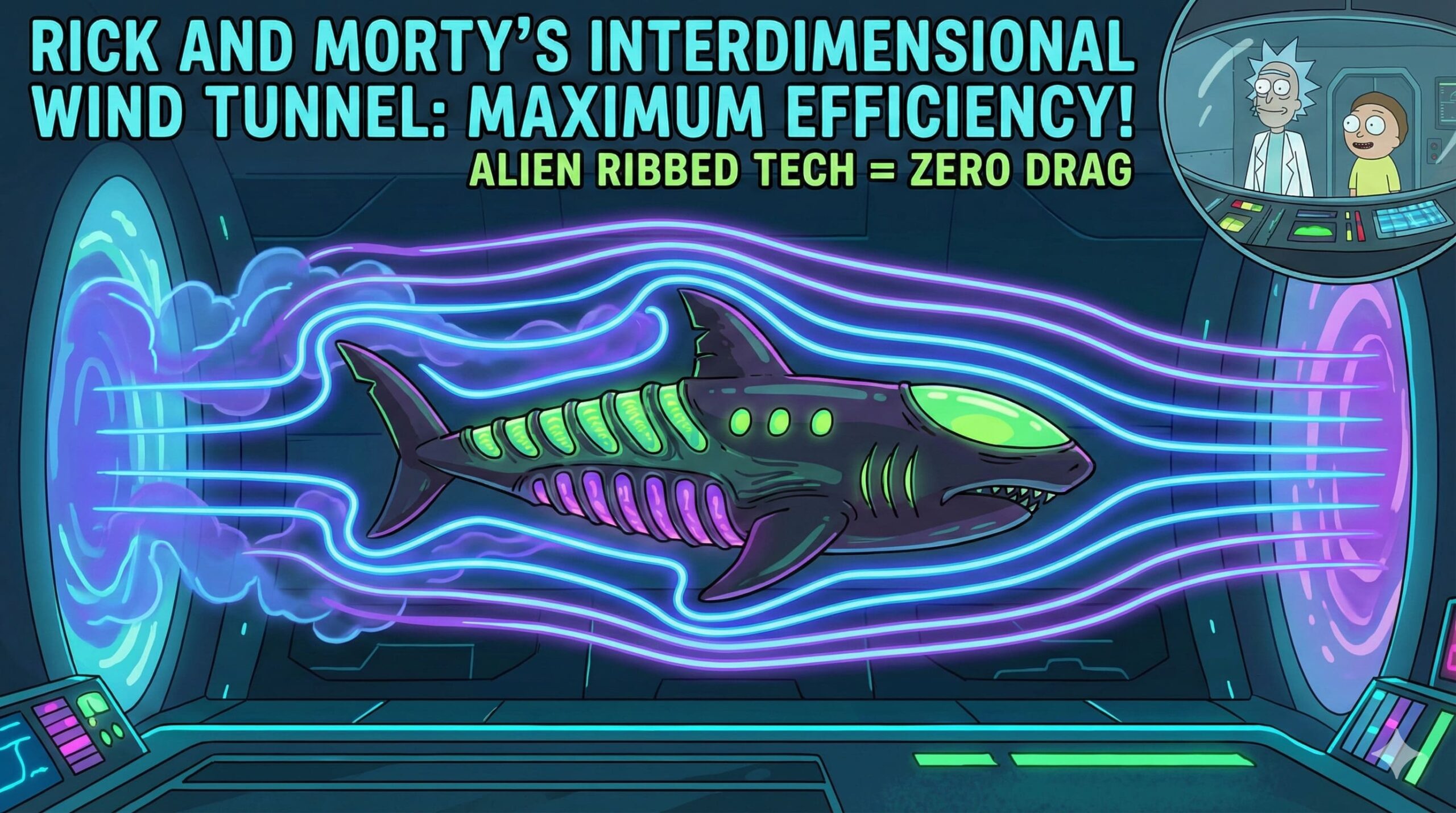
The Shark Skin Paradox: Why Rough Surfaces Make Planes Faster    If you want to build a fast car, you make it smooth. You polish the metal, hide the door handles, and wax the paint. Intuition tells us: Smoothness = Speed. Friction is the enemy, and roughness creates friction. So, why is the Shortfin Mako […]

Read More

Securing the World’s Payments One Millisecond at a Time

AI-powered fraud prevention in digital payments has become essential as online transactions grow in volume and complexity. Consequently, financial fraud has evolved into a highly sophisticated and fast-moving threat. As a result, traditional rule-based fraud detection systems struggle to keep pace, often producing delayed responses or high false-decline rates. To address these challenges, Mastercard has […]

Read More

The “Tetris” Paradox: Why Nature is Better at Packing than Math

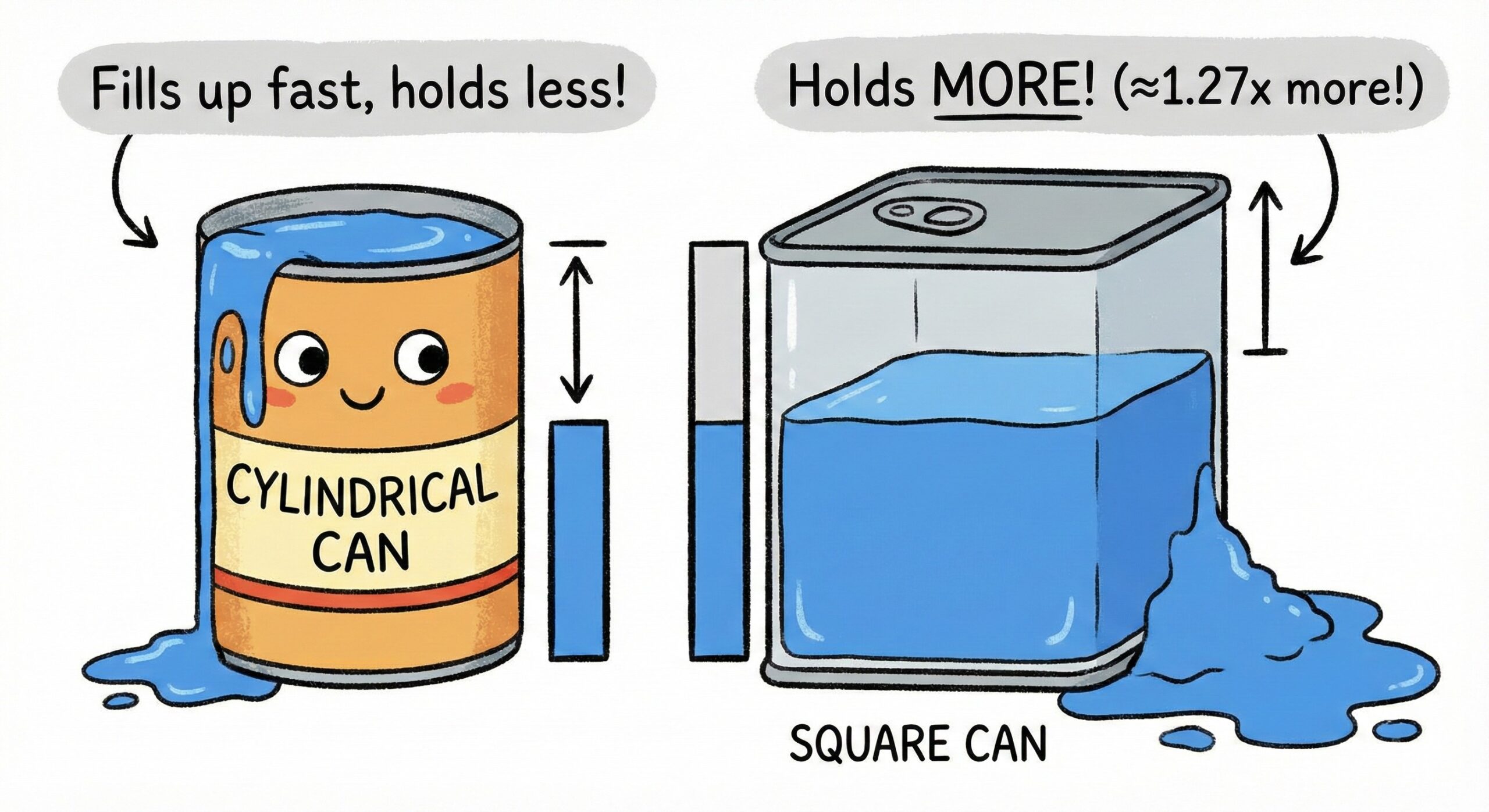
Have you ever drank a can of soda and wondered: Why the hell is it shaped like a cylinder? Mathematically, it makes zero sense. A square can would allow us to pack boxes with 100% volume utilization. A round can loses about 22% of the space in a shipping truck to the “air gaps” between […]

Read More

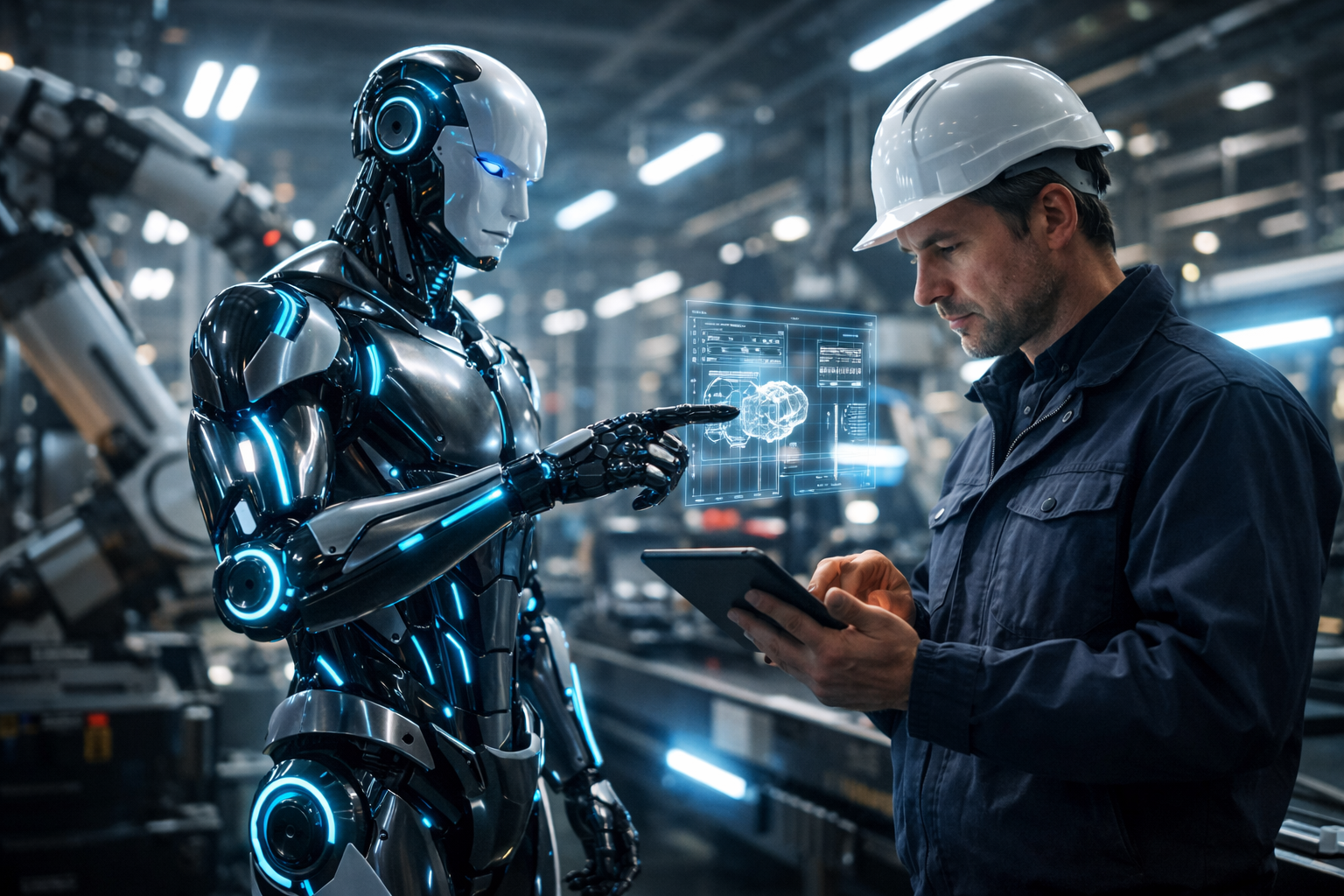
Physical AI: When Machines Begin to Understand, Reason, and Act in the Real World

What Is Physical AI? For decades, artificial intelligence existed primarily in the digital realm—processing text, generating images, and optimizing data. But 2026 marks a fundamental shift: Physical AI refers to models that understand and interact with the real world using motor skills, often housed in autonomous machines like robots and self-driving vehicles. Unlike traditional AI […]

Read More

AI Sprawl: When Code Generation Outpaces Code Ownership

Why Prompt-Driven Development Is a Liability Speed is cheap. Stability is expensive. How the C.O.D.E.S. Framework prevents AI technical debt. AI has democratized code generation. Unfortunately, it has also democratized bad architecture. Over the last year, the industry has rushed to adopt what we call Prompt-Driven Development. The promise is seductive: write a sentence, get […]

Read More

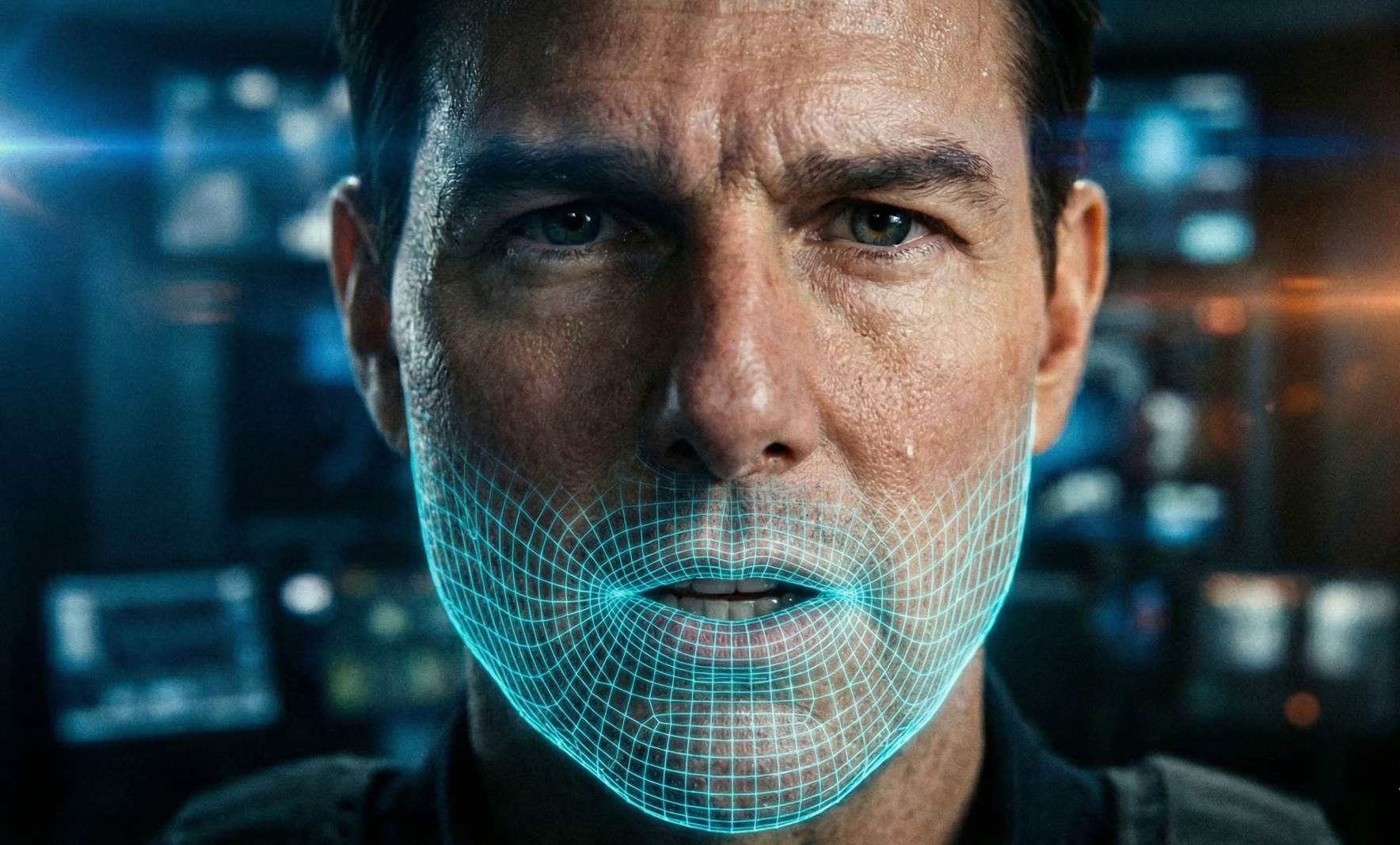
When Tom Cruise Speaks Hindi

The End of Subtitles: How AI “Visual Dubbing” Broke the Language Barrier AI Visual Dubbing is ending one of global cinema’s oldest compromises. We have all been there. You sit down to watch a global masterpiece like Squid Game or Dark, but you are immediately faced with a frustrating compromise.  You either spend the entire […]

Read More

The Library of Ash: How AI Read the Invisible

AI reading ancient scrolls was once thought impossible. In 79 AD, Mount Vesuvius erupted, burying the Roman cities of Pompeii and Herculaneum under millions of tons of volcanic ash. While Pompeii was destroyed by rock, Herculaneum was hit by a superheated pyroclastic flow, a wave of gas so hot it instantly carbonized organic matter. In […]

Read More

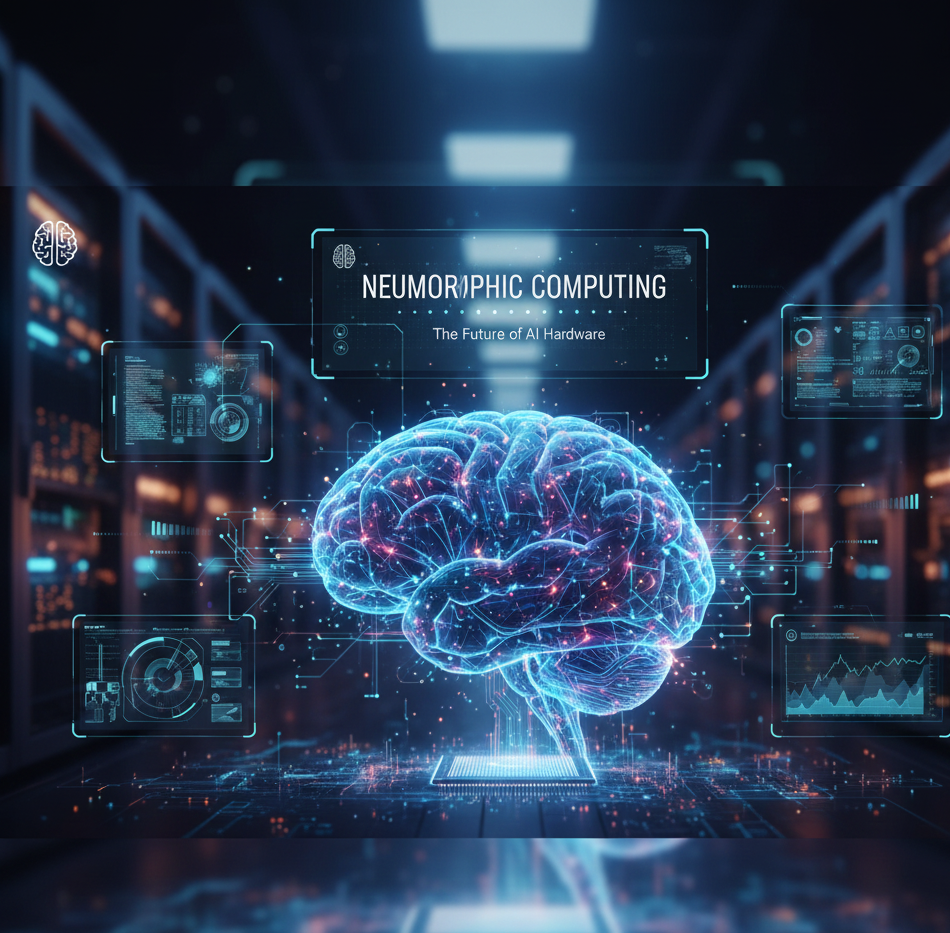
Neuromorphic computing

Neuromorphic Computing Explained: Brain-Inspired Chips Powering the Future of AI Neuromorphic computing represents a radical departure from how computers have worked for over 70 years. Often described as brain-inspired computing, this approach moves away from rigid, energy-hungry silicon architectures and toward systems that function more like the human brain. By mimicking biological neurons and synapses […]

Read More

From Vibe to Production-Grade Delivery: How CodeSmiths Starts Client Projects with AI

A behind-the-scenes look at how we deliver “Vibe Coding” at production scale using ChatGPT, Claude, and Cursor. Introduction: Why We Don’t Start With Code When a client approaches CodeSmiths with a vision, the first thing we don’t do is open an IDE. In an AI-augmented world, code has become a commodity. Writing it is easier […]

Read More

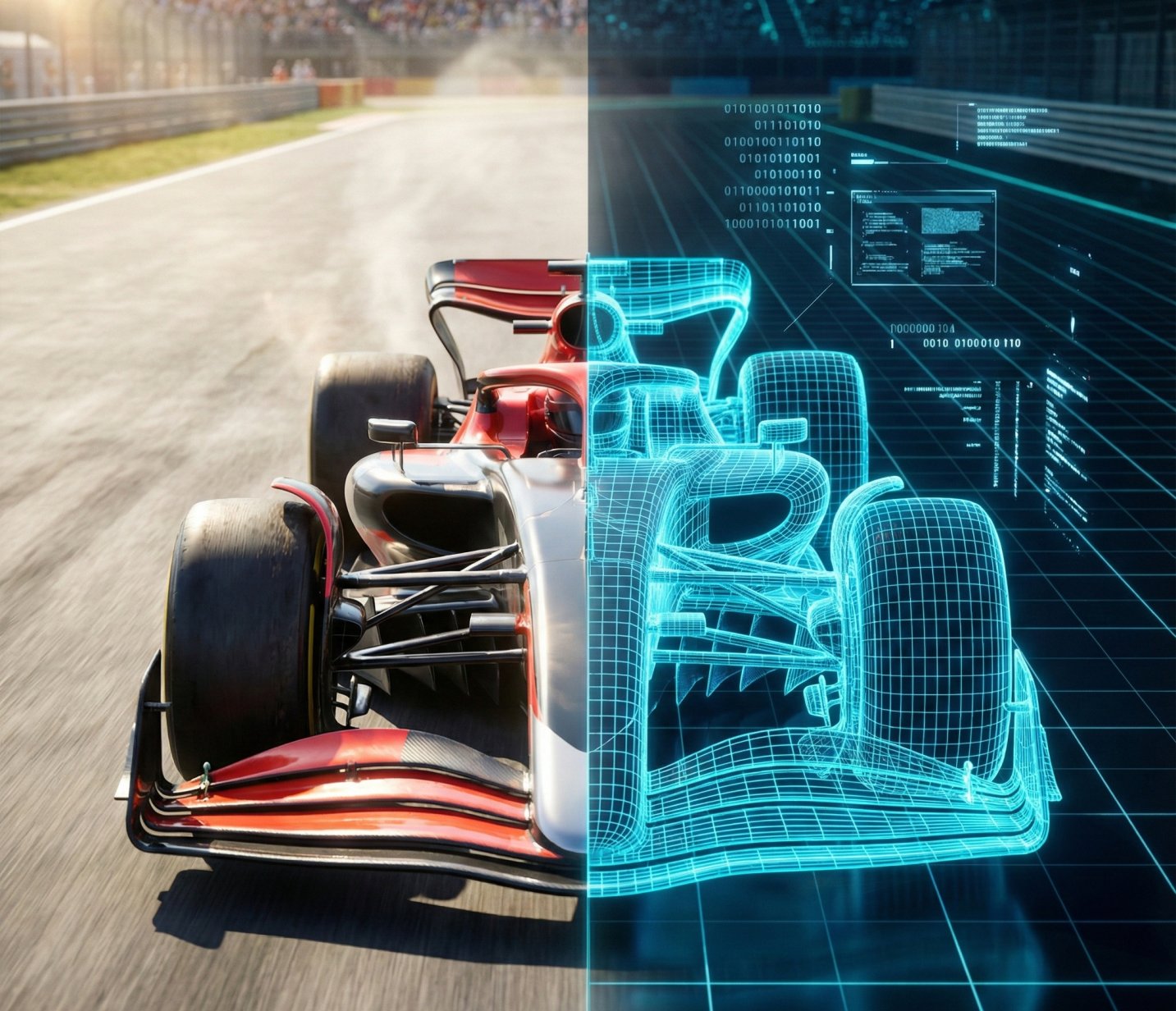
How F1 Teams Win Before the Race Starts

Picture a Sunday afternoon in Monaco. The air is thick with the smell of burning rubber and high-octane fuel. To the millions watching live and on TV, this is the moment of truth: a battle of raw instinct, adrenaline, and split-second reflexes.  Three of the fastest men on Earth, Max Verstappen, Lewis Hamilton, and Charles […]

Read More
footer shape